Best Long Range Digital Camera for Wildlife Photography?

Choosing the best Long Range Digital Camera for wildlife photography involves more than comparing zoom numbers. In the field, a distant eagle may appear against a bright sky, while a fox moves through deep shade. Focus speed, image stabilization, sensor performance, and weather protection can matter more than extreme magnification. Light changes quickly. That matters.

This guide examines cameras through practical wildlife situations, including handheld tracking, tripod use, and early-morning shooting. It considers manufacturer specifications, independent image tests, and real field experience. A camera with a 600mm equivalent lens may reach farther, but it can also feel heavy after several hours outdoors. Battery life, grip comfort, autofocus accuracy, and file quality deserve equal attention. Small details often decide whether a fleeting moment becomes a sharp photograph.

There is no perfect choice for every photographer. A compact bridge camera may suit hikers, while a mirrorless system may offer better control and upgrade options. However, larger systems usually demand more money, training, and carrying strength. Some published zoom claims also look impressive until image softness appears at maximum reach. That limitation is easy to overlook.

The recommendations ahead focus on dependable performance, honest trade-offs, and responsible wildlife photography. They are designed to help readers compare real-world value, not chase specifications alone. Always respect viewing distances and avoid disturbing animals.
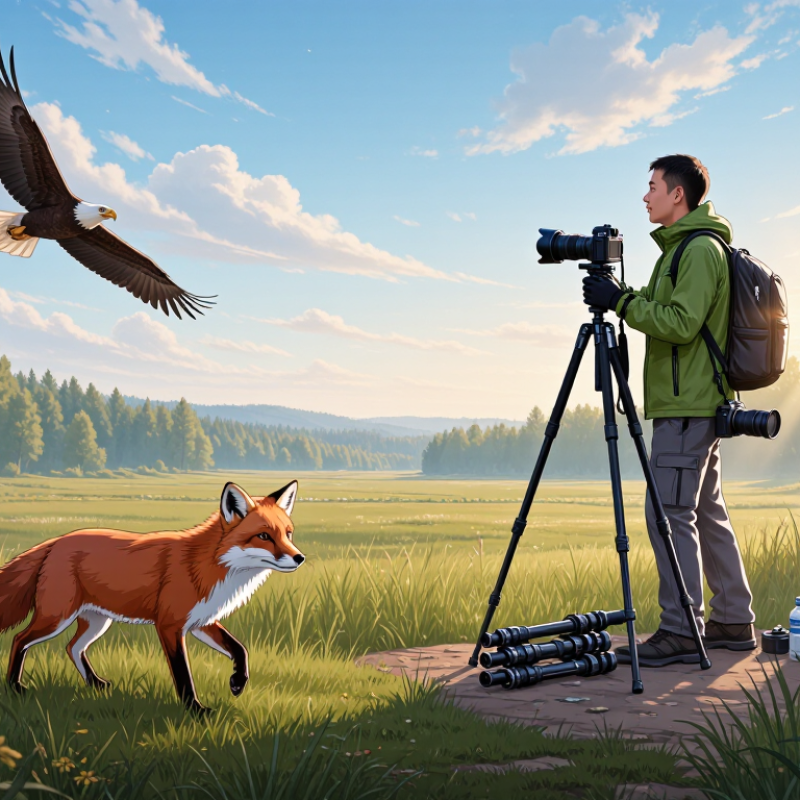
Best Long Range Digital Camera for Wildlife Photography?

Understanding Long-Range Digital Cameras for Wildlife Photography

Understanding Long-Range Digital Cameras for Wildlife Photography

A long-range digital camera helps wildlife photographers frame distant subjects without approaching them. In field use, reach matters most when animals are alert or easily disturbed. A longer focal length can reveal feather patterns, whiskers, and cautious eye movement. However, high magnification also exposes every mistake. Small hand movements can shift the subject completely.

Look for effective stabilization, responsive autofocus, and a bright electronic viewfinder. A weather-resistant body is useful during misty mornings or sudden rain. Sensor performance also matters, especially before sunrise or under forest cover.

From experience, autofocus may hunt against branches or tall grass. Manual focus can sometimes recover the shot, but it requires patience. I still miss images when an animal turns quickly. That is part of field photography, not just a camera problem.

Tips: Practice tracking birds against clear skies before working near dense vegetation. Use a fast shutter speed for movement, but avoid raising sensitivity more than necessary. Support the camera with a monopod when waiting for long periods. Keep a spare battery warm in cold weather. Leave enough space around the subject for natural movement, and never let a photograph encourage unsafe or stressful behavior.

Key Features That Affect Reach, Detail, and Image Quality

A long-range digital camera must turn distant wildlife into clear, usable detail.

Optical reach matters more than impressive digital zoom claims. A long focal length fills the frame without forcing heavy cropping. However, reach alone cannot rescue a soft image. Sensor resolution, lens sharpness, and accurate focusing work together. Distance matters.

Fast autofocus helps track a hawk crossing a pale sky or a deer moving through tall grass.

Animal-detection modes can assist, but they are not flawless. I have seen focus lock onto branches instead of eyes. Image stabilization reduces hand movement, especially near dusk. A wide aperture also admits more light, allowing faster shutter speeds and lower noise. These features directly affect feather texture, fur detail, and eye clarity.

A larger sensor usually handles dim forest scenes better, while a dense pixel layout can preserve distant detail.

RAW capture provides more flexibility when shadows hide a subject’s face. A responsive burst mode is useful, but a small buffer may interrupt the moment. Weather resistance, balanced handling, and a comfortable grip matter during several hours outdoors. I once chose extra reach over stability and regretted it after reviewing blurred images. A sturdy support can help, though it may slow a quick reaction. In practice, the best setup balances reach, light, movement, and the photographer’s patience.

Comparing Bridge, Mirrorless, and DSLR Camera Systems

Best Long Range Digital Camera for Wildlife Photography?

Bridge, mirrorless, and DSLR systems solve distance differently. A bridge camera offers an integrated superzoom, so setup is quick beside a muddy field. Its small sensor can reduce detail in early morning shadows. Yet the fixed lens avoids dust entering the camera body. Independent testing reports from Imaging Resource consistently show that bridge models perform best in bright, stable conditions.

Mirrorless cameras provide the strongest balance for serious wildlife work. Their electronic viewfinders can display exposure changes before pressing the shutter. Fast subject detection also helps when a hawk crosses a pale sky. CIPA’s 2024 Camera Shipment Statistics reported mirrorless cameras continuing to dominate interchangeable-lens shipments, while DSLR volumes remained much smaller. That market shift reflects development investment, not automatic image quality. A long telephoto lens still adds weight, cost, and fatigue. My mistake was judging reach by focal length alone. Stabilization, pixel density, and autofocus tracking matter just as much.

DSLR systems still offer an optical viewfinder with no electronic display delay. That feels natural when tracking running mammals. Their batteries often last longer, according to field tests published by Imaging Resource and Amateur Photographer. However, most new development now favors mirrorless designs. The choice depends on patience, light, and transport. A bridge system may win on a long hike. Mirrorless usually wins from a fixed hide. DSLRs remain practical for careful photographers who already own compatible lenses. Wildlife rarely waits.

Choosing the Best Lens and Focusing Technology for Wildlife

Choosing a long-range digital camera for wildlife starts with the lens, not the zoom number. A useful telephoto lens should remain sharp at distant subjects and handle low light. Look for a wide maximum aperture, fast internal focusing, and effective stabilization. In a hide, I have watched a narrow aperture turn a moving fox into a noisy blur. That lesson stayed with me. Reach is useful, but light matters more.

Focusing technology deserves equal attention. Phase-detection autofocus usually tracks motion more confidently than contrast-only systems. Animal and eye detection can help, especially when a bird crosses tangled branches. However, detection is not magic. A small subject may confuse the camera with leaves, grass, or bright water. Test subject tracking at home. Use short bursts. Keep a single-point option ready. These habits improve reliability when the moment lasts only two seconds.

For distant mammals, choose a lens with a focus limiter and customizable controls. A limiter prevents focusing through the entire range. Manual focus override can rescue a shot through reeds or mesh. Stabilization helps, but it cannot freeze a running animal. Raise shutter speed before increasing digital reach. Review images at full size, not only on the camera screen. I still miss photographs when I trust automation too much. That is an uncomfortable, useful reminder.

Best Long Range Digital Camera for Wildlife Photography? - Choosing the Best Lens and Focusing Technology for Wildlife

Camera and Lens Setup Typical Reach Sensor Format Typical Maximum Aperture Recommended Focusing Technology Stabilization Best Use
Superzoom bridge camera Approximately 600–1200 mm equivalent Small 1/2.3-inch or 1-inch type Approximately f/2.8–f/8 across the zoom range Subject-detection autofocus with animal and bird recognition when available Optical or sensor-shift stabilization, depending on camera design Travel, daylight wildlife, and situations where a compact all-in-one system is important
APS-C camera with a 100–400 mm lens Approximately 150–600 mm equivalent APS-C Usually f/4.5–f/5.6 Phase-detection autofocus with animal, bird, and eye tracking In-body stabilization combined with optical lens stabilization, when compatible A balanced choice for birds, mammals, and general outdoor wildlife photography
APS-C camera with a 150–600 mm lens Approximately 225–900 mm equivalent APS-C Usually f/5–f/6.3 Animal- and bird-detection phase autofocus with customizable tracking sensitivity Optical lens stabilization is strongly recommended; in-body stabilization adds support for handheld shooting Distant birds and wildlife where maximum framing reach matters more than low-light performance
Full-frame camera with a 200–600 mm lens 200–600 mm equivalent Full-frame Usually f/5.6–f/6.3 Fast phase-detection autofocus with bird-eye detection and subject tracking Optical stabilization with coordinated in-body stabilization is ideal High-quality wildlife images, especially when strong detail, dynamic range, and cropping flexibility are required
Full-frame camera with a 400 mm f/2.8 lens 400 mm equivalent Full-frame f/2.8 High-speed phase autofocus with reliable eye tracking and low-light focusing capability Optical stabilization plus in-body stabilization is preferred Professional work, fast-moving subjects, and low-light scenes where subject separation is important
Micro Four Thirds camera with a 100–400 mm lens Approximately 200–800 mm equivalent Micro Four Thirds Usually f/4–f/6.3 Continuous autofocus with bird and animal recognition where supported In-body stabilization plus optical lens stabilization can provide highly effective handheld support Long-reach field photography when a smaller and lighter kit is preferred
Full-frame camera with a 100–500 mm lens 100–500 mm equivalent Full-frame Approximately f/4.5–f/7.1 Animal-eye autofocus with subject tracking and a flexible zone or wide-area focus mode Optical stabilization is useful; in-body stabilization improves handheld stability at slower shutter speeds Safari, hiking, and mixed-distance wildlife where framing flexibility is more important than maximum aperture
Selection guidance: For most wildlife photographers, an APS-C or full-frame camera with a 100–400 mm, 100–500 mm, 150–600 mm, or 200–600 mm lens offers a strong balance of reach, image quality, and focusing performance. Prioritize animal-eye detection, fast phase-detection autofocus, continuous subject tracking, optical stabilization, and a minimum shutter speed of approximately 1/1000 second for birds in flight.
Note: Equivalent focal lengths are approximate and depend on the camera sensor's crop factor. Maximum aperture, stabilization performance, autofocus behavior, and subject-recognition features vary by specific camera and lens combination.

Matching Camera Performance to Shooting Conditions and Budget

Best Long Range Digital Camera for Wildlife Photography?

Matching camera performance to shooting conditions and budget matters more than chasing the longest advertised reach. In my field experience, wildlife rarely waits for perfect light. A camera with reliable autofocus, fast burst shooting, and good high-ISO performance often beats one with extreme zoom. Dawn forests expose weak sensors quickly. Feathers become noisy, and moving eyes lose detail.

Consider your usual distance and habitat. Open wetlands may reward a long lens and strong image stabilization. Dense woodland may favor faster focusing and better subject detection. Weather sealing also matters when rain begins without warning. It protects your equipment, but it does not replace a rain cover. Small details matter.

Budget changes the decision sharply. Spending everything on the camera can leave too little for a stable tripod, spare batteries, or a protective bag. A moderately priced body with a sharper lens may produce more useful files than an expensive body with poor reach. Crop-sensor systems can extend apparent framing, although low-light noise may increase. That trade-off deserves testing.

I still miss shots. Even advanced tracking can lock onto branches or grass. My practical test is simple: photograph birds across changing backgrounds, then inspect eye detail at full size. Check focusing speed, buffer recovery, hand comfort, and battery life. Store sample files from shaded and bright conditions. Specifications help, but real handling reveals weaknesses that brochures often hide.

Best Long Range Digital Camera for Wildlife Photography?

Matching camera performance to shooting conditions and budget

Long-range wildlife photography usually benefits from a telephoto reach of at least 400mm equivalent. Higher-tier systems generally provide faster continuous shooting, stronger subject tracking, and more effective low-light performance, but they also increase cost and weight. A mid-range setup is often the most practical balance for daylight birds, mammals, and moving subjects.

Product Added

Go to Quote Request Form

Continue Product Search