How to Choose the Right Reflective Traffic Signs for Your Needs?
Choosing the right reflective traffic signs can greatly impact road safety and usability. These signs come in various shapes, sizes, and materials, making selection crucial. Reflective traffic signs enhance visibility, especially in low-light situations. Different regions may have unique regulations governing their use.
Understanding specific needs is vital before making a decision. For instance, a construction area might require specialized signs compared to residential zones. Consider the sign’s location and the typical traffic patterns. Reflective traffic signs can vary in brightness and durability, depending on weather exposure.
While it’s easy to assume that all reflective signs are the same, there are key differences to consider. Factors such as color, design, and reflectivity can make a notable difference. Inadequate choices may lead to confusion or accidents. Reflective traffic signs should always align with safety standards to ensure effectiveness. Reflect on your choices—are they truly meeting your needs?
Understanding the Importance of Reflective Traffic Signs
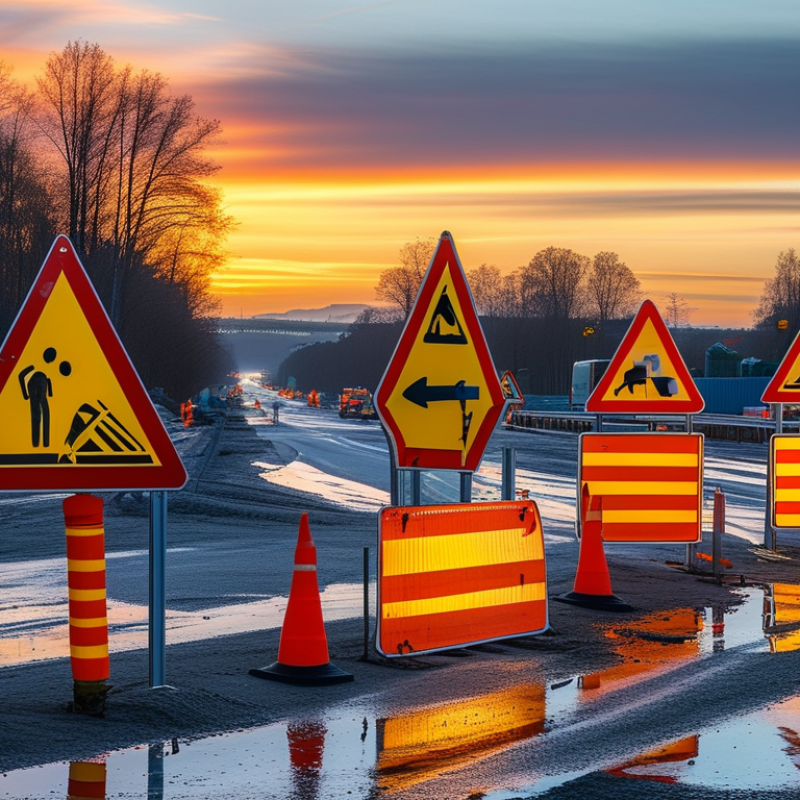
Reflective traffic signs are essential for road safety. They enhance visibility, especially at night or in low-light conditions. According to the Federal Highway Administration (FHWA), more than 40% of traffic fatalities occur in the dark. This statistic underlines the importance of proper signage in preventing accidents. Reflective materials help drivers see warnings, directions, and regulations, even from a distance.
Choosing the right reflective signs can significantly impact safety. Studies indicate that signs with advanced reflective technology improve recognition by up to 50%. This is crucial when immediate decisions are required, such as approaching a stop sign or a sharp turn. The effectiveness of these signs contributes to safe driving behaviors. However, not all reflective materials are equal. Some signs fade or degrade quickly when exposed to harsh weather. Thus, regular inspections and maintenance are necessary.
Making informed decisions about traffic signage can save lives. Although many organizations prioritize retroreflectivity, the criteria can often be confusing. Different environments demand different materials. Understanding these challenges is vital. Proper training for operators and maintenance staff can enhance outcomes significantly. Reflective signs play a critical role in enhancing safety, but they require thoughtful consideration and ongoing evaluation.
How to Choose the Right Reflective Traffic Signs for Your Needs? - Understanding the Importance of Reflective Traffic Signs
| Sign Type |
Material |
Visibility Range (meters) |
Ideal Usage Environment |
Reflective Grade |
| Stop Sign |
Aluminum |
300 |
Urban Areas |
High |
| Pedestrian Crossing |
Plastic |
200 |
Residential Areas |
Medium |
| Speed Limit |
Aluminum |
250 |
Highways |
High |
| Yield Sign |
Steel |
250 |
Intersections |
Medium |
| No Parking |
Plastic |
150 |
Commercial Areas |
Low |
Evaluating Different Types of Reflective Materials
When selecting reflective traffic signs, the type of reflective material is crucial. Different materials offer varying levels of visibility and durability. Common reflective materials include engineering grade, high intensity, and diamond grade. Each type effectively reflects light, but their performance differs in various conditions.
Tips: Check the visibility range required for your location. Higher grades enhance visibility in low-light situations. For urban areas, high-intensity materials can be beneficial. Meanwhile, engineering grade signs serve well in moderately trafficked zones.
Consider the lifespan of your chosen material. Some materials degrade faster under UV exposure. Signs near heavy traffic experience wear and tear more quickly. Remember, investing in quality materials saves costs in the long run.
Think about the installation environment. Reflective signs in areas with heavy rain or fog should use high-grade materials for better reflection. Assess how weather influences visibility in your area. Not all materials perform equally in adverse conditions, and this can impact safety.
Assessing Sign Visibility in Varying Light Conditions
When choosing reflective traffic signs, visibility is crucial. Different light conditions affect how well a sign can be seen. For instance, during bright daylight, reflective materials may need to be more vibrant to catch attention. Conversely, at night, signs must reflect light effectively to remain visible. The material's quality significantly influences this. Higher-quality reflective surfaces provide better illumination.
It's essential to consider the location of the signs. Urban areas often have more artificial light. This can make some reflective materials less effective. Rural areas present another challenge. Limited ambient light makes reflective signs even more crucial. Evaluating the intended setting helps determine what level of reflectivity is necessary.
Testing the signs in various light conditions is a good practice. Sometimes, even well-made signs may not perform as expected. Observations from different angles can reveal potential issues. Reflective performance might not always align with manufacturers' claims. It's important to gather feedback from those who encounter the signs daily. This feedback loop can lead to better-informed choices in the future.
Considering Location and Placement for Maximum Effectiveness
When selecting reflective traffic signs, location and placement can greatly influence their effectiveness. Signs positioned near road curves or intersections require high visibility. It’s essential to analyze the surroundings. For example, low-hanging branches can obstruct clear sightlines. Ensuring signs are elevated helps drivers spot them sooner.
Consider the types of vehicles in the area. Is it mostly cars, or does heavy truck traffic dominate? This aspect can affect sign size and design. Placing a sign too close to the road might lead to drivers missing it. Balance is vital. Creating a comfortable distance enhances visibility while maintaining safety.
Regularly assessing the condition of the signs is also crucial. Over time, dirt and weather can diminish reflectivity. Signs must remain luminous, especially at night. Reflection may vary with weather conditions. Regular inspections can ensure they meet safety standards. A neglected sign can become a liability, hampering its intended function.
Budgeting for Quality Reflective Traffic Sign Purchases
When budgeting for quality reflective traffic signs, it's crucial to balance cost with durability. According to the U.S. Federal Highway Administration, well-designed traffic signs can reduce accidents by up to 50%. However, investing in low-cost options may come with compromises. Cheaper materials often fail under harsh weather conditions. This can lead to rapid fading and decreased visibility, which in turn compromises safety.
Consider the long-term investment. Research shows that high-quality reflective materials, like engineering-grade sheeting, last significantly longer than lower-grade alternatives. For instance, standard materials typically require replacement every 5 years, while premium options can last a decade or more. This means higher initial costs could lead to savings over time due to reduced replacement needs.
Moreover, it’s essential to consult local regulations and standards. The Manual on Uniform Traffic Control Devices provides guidelines on sign reflectivity requirements, which helps ensure compliance. Spending less initially might seem appealing, but cutting corners can lead to legal liabilities and increased accidents. Balancing budget constraints with the necessity for compliance and safety is key to making informed purchasing decisions.
Reflective Traffic Signs Quality vs Budget
This bar chart illustrates the quality ratings of reflective traffic signs across different price ranges. As the budget increases from low to high, the quality rating improves significantly, indicating that investing in higher-quality signs may be beneficial for long-term visibility and safety.