China Top Anchor Flange Pipeline Manufacturers Guide

China Top Anchor Flange Pipeline Manufacturers Guide helps buyers evaluate suppliers beyond polished websites and low quotations. An Anchor Flange Pipeline connects steel, concrete, welding quality, and long-term field performance. Each detail matters.

W. Edwards Deming, a leading quality-management expert, said, “Quality comes not from inspection, but from the improvement of the production process.” His principle applies directly to anchor flange manufacturing. Reliable factories should control material certificates, forging or casting procedures, dimensional tolerances, weld inspection, coating systems, and pressure-testing records. A practical audit may include checking flange thickness with calibrated tools, reviewing heat numbers, and examining bolt-hole alignment before shipment.

Small errors become expensive.

This guide compares China-based manufacturers through experience, technical capability, documentation, and communication. It considers carbon steel, stainless steel, custom dimensions, buried pipelines, and high-pressure applications. Buyers should also review applicable ASME, API, ISO, and project-specific requirements. Standards alone do not guarantee performance. Installation conditions, soil movement, corrosion exposure, and maintenance planning remain important.

Some evaluations may feel incomplete. Supplier websites rarely reveal every production limitation. A factory may present excellent samples but offer weaker traceability during volume orders. That possibility deserves attention. Request drawings, inspection plans, previous project evidence, and clear acceptance criteria before placing a contract. The strongest manufacturers explain risks openly, rather than promising that every design is effortless. Reliability begins with questions, not assumptions.
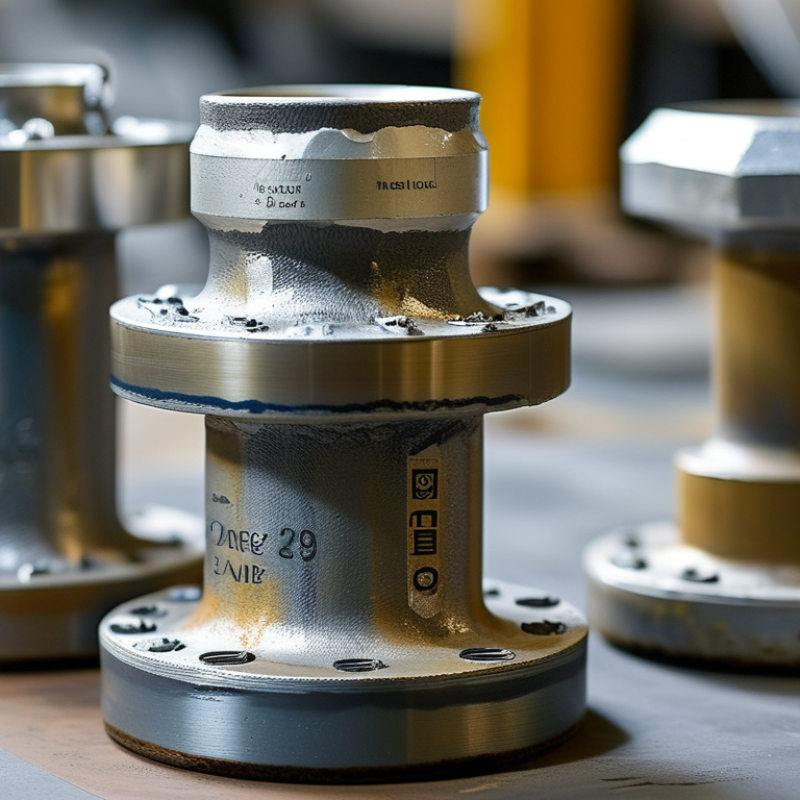
China Top Anchor Flange Pipeline Manufacturers Guide

What Is an Anchor Flange and How Does It Work?

An anchor flange is a welded collar or ring fixed around a pipeline section. It does more than connect pipes. It resists axial movement caused by internal pressure, temperature changes, and hydraulic thrust. Engineers commonly place it near bends, tees, reducers, valve chambers, and pipe ends.

The working principle is simple. Pressure creates an axial force, calculated as F = P × A. For a 600 mm pipe at 1 MPa, the pressure thrust is about 283 kN. The flange transfers this force into surrounding concrete, reinforcement, or a designed structural support. The connection must also handle shear, bending, installation loads, and possible soil movement. Small details matter. Poor welding or insufficient concrete cover can turn a strong-looking assembly into a weak restraint.

Infrastructure demand makes this component increasingly important. The U.S. Environmental Protection Agency’s 2023 Drinking Water Infrastructure Needs Survey estimates 625 billion dollars in required investment over 20 years. The 2021 ASCE Infrastructure Report Card rated U.S. drinking water infrastructure C−. These figures reflect aging systems, where reliable restraint can reduce joint separation and emergency repairs. However, an anchor flange is not automatically a complete thrust solution. Design conditions, pipe material, pressure class, soil friction, and reinforcement must be checked against applicable standards, such as ASME B16.5 or project-specific pipeline specifications. Field experience suggests that simplified calculations are useful for screening, but not enough for final approval.

Key Standards and Design Features of Anchor Flanges

Anchor flanges are engineered to restrain axial movement in buried or aboveground pipelines. They transfer pressure thrust and thermal forces into concrete supports, structural frames, or surrounding soil. Their design begins with the governing pipeline code, not with flange dimensions alone. ASME B16.5 and ASME B16.47 define common flange dimensions, while ASME B31.4 or B31.8 may control pipeline loading. EN 1092-1 can apply to European projects.

Load paths matter most. A typical anchor flange uses a welded ring, reinforcement ribs, and a broad bearing surface. The weld neck must match the pipe wall and welding procedure. Engineers should check axial force, bending moment, shear, pressure, temperature change, and soil interaction. Do not assume a thicker plate solves every problem. Poorly arranged ribs can create local stress concentrations near the weld.

Small details matter. Allow room for inspection and coating repair. Drainage openings may prevent trapped water around buried assemblies. Bolting should follow the selected pressure class, gasket type, and installation torque. Field tolerances also deserve attention; a few millimeters of misalignment can complicate fit-up. A common mistake is treating the anchor as an oversized standard flange. It is not.

In practice, manufacturers should provide material certificates, welding records, dimensional reports, and inspection results. Independent checks are valuable, especially for fatigue-sensitive lines. The design may still need revision after geotechnical data changes. That is normal engineering. Reliability comes from traceable calculations and realistic installation conditions.

China Top Anchor Flange Pipeline Manufacturers Guide - Key Standards and Design Features of Anchor Flanges

Evaluation Dimension Reference Standard or Requirement Key Technical Data Anchor Flange Design Consideration Typical Pipeline Use
Primary Function Project piping specification and structural design basis Transfers axial pressure thrust, thermal loads, and selected bending loads into a concrete anchor block or structural support. The flange should be treated as part of a complete restraint system rather than as a standard pressure flange alone. Buried water lines, transmission pipelines, pump discharge lines, and directional changes.
Dimensional Standard ASME B16.5 Covers pipe flanges and flanged fittings from NPS 1/2 through NPS 24, including dimensions, tolerances, pressure-temperature ratings, materials, and marking. Use the selected standard flange dimensions for the pipe connection, while separately checking the anchor collar, plate, welds, and block interface. Industrial and municipal piping within the standard NPS 1/2–24 size range.
Large-Diameter Standard ASME B16.47 Covers large-diameter steel flanges from NPS 26 through NPS 60 and includes pressure-temperature ratings, dimensions, materials, and marking requirements. Large anchor flanges generally require project-specific verification of bolt circle, plate thickness, weld details, and local stresses. Large water transmission, cooling-water, oil, gas, and process pipelines.
European Flange System EN 1092-1 Specifies circular steel flanges with designated PN pressure classes, including dimensions, facing types, bolt patterns, materials, and marking. Do not mix EN and ASME bolt patterns or facing dimensions unless the transition has been specifically engineered and verified. European-design water, energy, chemical, and general industrial pipelines.
Pipeline Flange Practice MSS SP-44 Provides requirements for steel pipeline flanges, including dimensions, pressure classes, materials, and marking for pipeline service. Useful when the pipeline specification calls for pipeline-specific flange geometry, but the restraint structure still needs independent engineering. Long-distance steel pipelines and pipeline valve or fitting connections.
Pressure Rating Applicable flange standard and design code ASME systems commonly use Class ratings such as 150, 300, 600, and 900; EN systems commonly use PN designations such as PN10, PN16, PN25, and PN40. The allowable pressure depends on material, temperature, flange class, gasket, bolts, corrosion allowance, and design code. A nominal class is not a universal pressure value. Water, oil, gas, steam, and process systems with documented pressure-temperature conditions.
Facing and Sealing ASME B16.5, ASME B16.47, EN 1092-1, or project specification Common facing arrangements include raised face, flat face, and ring-type joint configurations, depending on the governing standard and service. Gasket type, surface finish, bolt preload, flange rotation, and pipe alignment must be compatible with the selected facing. Flanged joints requiring leakage control under pressure or temperature cycling.
Anchor Geometry Approved fabrication drawing and structural calculation Typical features include a flange hub or weld-neck connection, an enlarged anchor plate or collar, and load-transfer surfaces embedded in concrete or attached to steelwork. Plate diameter, thickness, stiffeners, shear keys, and weld size are determined from calculated axial, shear, bending, and torsional loads. Fixed points, buried restraints, valve chambers, pump stations, and pipeline crossings.
Material Selection Material standard specified by the applicable flange code and project documents Carbon steel is widely used; low-temperature, stainless, alloy, or corrosion-resistant materials may be selected for specific service conditions. Check strength, toughness, weldability, corrosion resistance, fluid compatibility, and galvanic interaction with connected components. Ambient, low-temperature, corrosive, high-temperature, and buried pipeline environments.
Welding and Fabrication Approved welding procedure, qualified personnel, and project quality plan Fabrication may involve butt welds, fillet welds, reinforcing ribs, machined sealing faces, and dimensional inspection of the finished assembly. Weld design should account for pressure loads, restraint loads, fatigue, heat-affected zones, distortion, and access for inspection. Factory-fabricated assemblies requiring traceable welding and inspection records.
Inspection and Testing Project inspection and test plan; applicable pressure-testing and welding requirements Typical controls include material certificates, dimensional checks, visual examination, weld nondestructive testing where specified, surface inspection, and pressure testing of the pipeline system. Inspection scope should cover the pressure boundary and the load-bearing anchor structure, not only the flange face. Critical transmission, process, energy, and municipal infrastructure projects.
Corrosion Protection Project coating, lining, cathodic-protection, or corrosion-control specification Possible systems include external coating, internal lining, paint, wrapping, or cathodic protection, selected according to soil, fluid, temperature, and exposure conditions. Protect machined faces, weld zones, buried surfaces, and crevices while preserving gasket contact and bolt installation requirements. Buried pipelines, marine installations, wastewater systems, and chemically aggressive services.
Technical note: Anchor flanges are commonly engineered as restrained pipeline assemblies. The applicable flange standard governs the pressure-connection dimensions and rating, while anchor plate dimensions, welds, stiffeners, concrete embedment, and load-transfer details must be verified against the project design loads and local structural requirements.

How to Evaluate China’s Top Anchor Flange Manufacturers

Evaluating China’s top anchor flange manufacturers requires more than comparing online catalogs. Start with evidence from the factory floor. Ask for current certifications, material test reports, and traceability records for steel heats. A reliable supplier should connect each flange to a purchase order and inspection file. Check whether production matches the drawings, not only the sample photos. Measure bolt-hole alignment, outside diameter, weld profile, and flange thickness. Small deviations can create expensive field delays. Do not accept “standard quality” as a technical answer.

During a technical audit, review forging or plate sources, heat-treatment controls, and machining capacity. Request inspection procedures for dimensional checks, ultrasonic testing, and pressure-related applications. The manufacturer should explain acceptance limits in plain language. Ask to witness a live inspection. That reveals more than a polished presentation. Verify calibration dates on gauges and testing equipment. Also examine packing methods: capped faces, moisture protection, and marked bundles matter during long transport. One overlooked detail can damage a finished sealing surface.

Commercial reliability needs equal attention. Compare realistic lead times, replacement procedures, engineering response, and production capacity during peak seasons. Speak with recent industrial customers when permission is available. Their feedback may expose missed deadlines or weak documentation. A factory visit is useful, but it is not proof of every claim. Independent pre-shipment inspection reduces that gap. Keep a written scorecard covering quality, compliance, communication, and cost. Price should remain important, yet the lowest quotation may hide thinner inspection or uncertain steel origin. I would also question my own assumptions; a familiar certificate can still leave project-specific risks untested.

How to Evaluate China’s Top Anchor Flange Manufacturers

This buyer-oriented evaluation model uses a 100-point framework covering the main evidence required for pipeline flange sourcing. The weighting emphasizes material traceability, dimensional compliance, pressure testing, quality systems, and delivery capability. Buyers should verify each score through standards certificates, inspection records, test reports, drawings, and production audits rather than relying on marketing claims.

Manufacturing Processes and Quality Control in China

China’s anchor flange pipeline manufacturers often begin with forged steel billets, selected for strength and weldability. Engineers review material certificates before cutting or heating starts. The forging process closes internal voids and improves grain flow around the flange hub. Large hydraulic presses shape the heated billet with controlled force. Temperature records are important. Too much heat can damage mechanical properties.

After rough machining, CNC equipment forms the bolt holes, sealing face, and pipe bore. Skilled inspectors check dimensions with calibrated gauges and coordinate measuring machines. They also inspect surface finish around the gasket area, where small scratches may cause leakage. Heat treatment follows the required material grade and design conditions. Hardness tests and tensile samples help verify the result. It is not flawless. Human recording errors still occur, especially during busy production periods.

Reliable quality control connects each flange to a heat number, drawing revision, and inspection record. Ultrasonic testing can reveal internal defects, while magnetic particle testing may identify surface cracks on suitable materials. Pressure testing is performed when specified by the project design and applicable standards. Inspectors should compare actual results with acceptance criteria, not simply sign checklists. In field experience, packaging also matters. Plastic caps, dry wrapping, and protected bolt holes reduce damage during transport. A stronger process would include independent review of unusual results, because passing one test does not prove every manufacturing risk is controlled.

Applications, Customization, and Procurement Considerations

China Top Anchor Flange Pipeline Manufacturers Guide

Anchor flange pipelines support fixed points where thermal movement, pressure, or vibration may affect alignment. They are used in water treatment, industrial cooling, fire protection, and process piping systems. Their bolted joints simplify inspection and future maintenance. In buried installations, proper coating and controlled backfill help prevent corrosion and uneven loading.

Customization should match the operating environment, not only the pipe diameter. Buyers should specify nominal size, pressure class, flange standard, material grade, bolt coating, and gasket type. For seawater or damp soil, corrosion-resistant materials may provide better service life. Manufacturers should also verify welding procedures, dimensional tolerances, and hydrostatic test requirements. A small mismatch can delay installation. No selection is perfect; site conditions often expose assumptions made during design.

Tips: Request drawings, material certificates, inspection records, and pressure-test results before purchase. Confirm whether dimensions follow the required standard. Ask for sample measurements from finished flanges. Compare lead time, packaging, traceability, and replacement support, rather than price alone. Experienced procurement teams should review the anchor load, installation method, and access for bolt tightening. One overlooked detail matters. Clear communication with the manufacturer reduces rework and helps engineers judge reliability with evidence.

Product Added

Go to Quote Request Form

Continue Product Search