What is a Steel Membrane Canopy and Its Benefits?
The Steel Membrane Canopy is revolutionizing architectural design. According to the latest industry report by Grand View Research, the global market for tensile structures is expected to reach $10 billion by 2026. This growth highlights the increasing demand for innovative, versatile solutions like the Steel Membrane Canopy.
Expert architect and tensile structure specialist, Dr. Emily Carter, states, "Steel Membrane Canopies offer unmatched aesthetic appeal and durability." This combination of beauty and strength makes them an ideal choice for various applications, from commercial spaces to public venues. Their lightweight design enables easy installation and reduced material costs.
Despite their advantages, Steel Membrane Canopies are not without challenges. Weather resistance and maintenance require consideration. Potential buyers must weigh these factors when choosing the right canopy solution. Understanding the nuances of this technology can lead to informed decisions and successful projects.
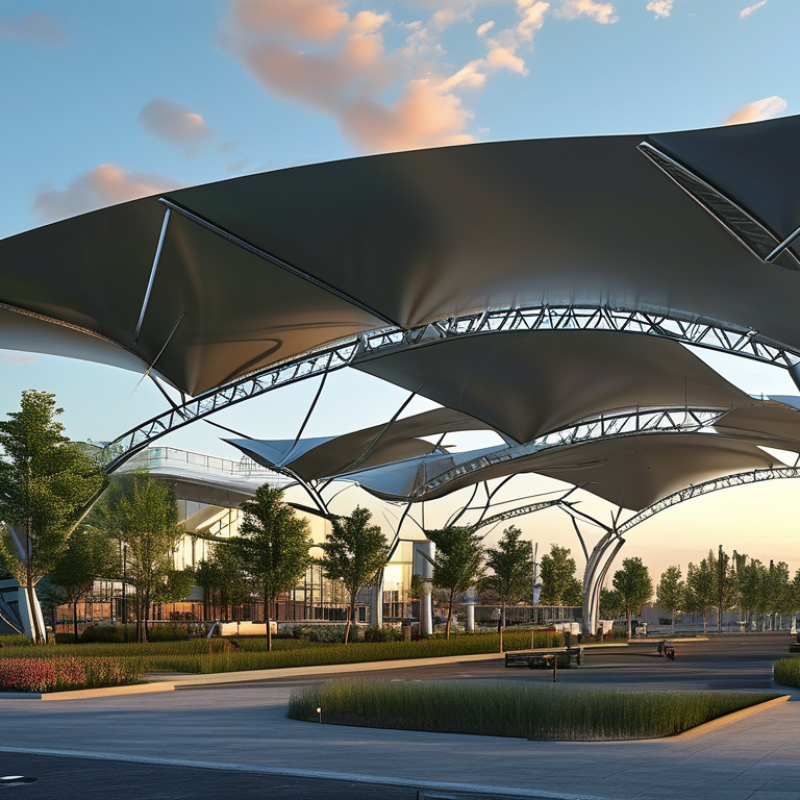
What is a Steel Membrane Canopy?
A steel membrane canopy is a structural system that combines steel framework with tensioned fabric membranes. This design creates a lightweight yet strong cover for various applications, from commercial spaces to outdoor events. The use of tensile materials allows for large spans without obstructive supports, enabling open, airy environments. According to a recent industry report, the global market for tensioned membrane structures has been growing at an annual rate of 7.5%.
Benefits of a steel membrane canopy include superior durability and versatility. These canopies are highly resistant to harsh weather conditions. Their design allows for natural light to filter through while protecting against UV rays. A key aspect to consider is the ease of installation. Although not as simple as traditional canopies, they require skilled labor and precise engineering. More often than not, misalignment can occur, affecting the canopy's performance. Proper planning and execution are crucial to ensure integrity and longevity.
When considering aesthetic appeal, a steel membrane canopy offers many options. From geometric shapes to vibrant color choices, these structures can enhance any setting. However, it’s important to weigh the initial investment against long-term benefits. Cost analysis is vital, as lower-quality materials can lead to early fatigue and maintenance issues. Understanding the balance between cost and aesthetic value is essential for project success.
Key Materials Used in Steel Membrane Canopies
Steel membrane canopies are innovative structures that combine strength with flexibility. They utilize high-strength steel frames combined with durable membrane materials. The membranes usually consist of materials such as PVC or PTFE, which provide a lightweight yet robust solution. According to a report by the International Journal of Structural Engineering, steel membrane canopies can last up to 30 years or more when properly maintained.
The main materials used in these canopies significantly enhance their performance and aesthetic appeal. PVC-coated polyester is popular due to its affordability and weather resistance. PTFE is favored for its longevity and self-cleaning properties. These materials allow for versatility in design and can be engineered to handle various weather conditions. A study published in the Journal of Architectural Engineering highlights the environmental benefits of using durable membrane materials, which can reduce waste and energy consumption.
Tips: Consider local climate conditions when selecting materials for a steel membrane canopy. Proper anchoring and tensioning are crucial for performance and longevity. Assessing construction techniques early can save time and costs later on. Make sure to consult with structural experts to optimize the design and materials for your specific needs.
Benefits of Steel Membrane Canopies
Structural Advantages of Steel Membrane Canopies
Steel membrane canopies offer significant structural advantages, making them a popular choice in modern architecture. These canopies create versatile, open spaces while maintaining robust structural integrity. According to a report by the International Association for Shell and Spatial Structures, steel membrane structures can withstand heavy loads and extreme weather conditions, thus ensuring reliability.
One key benefit of steel membrane canopies is their lightweight design. This characteristic allows for easier installation and reduced material costs. The same report highlights that their tensile strength is four to five times greater than that of traditional materials. Additionally, these structures can span large areas without the need for intrusive supports. This design flexibility enhances aesthetics and functionality in urban landscapes.
While the advantages are clear, there are challenges to consider. Fabric selection for the membrane is crucial; it affects durability and maintenance. Some materials may require frequent upkeep, leading to higher long-term costs. Furthermore, ensuring the canopy withstands varying temperatures and environmental stressors can be complex. A detailed assessment during the design phase can mitigate these issues, allowing for more effective and sustainable solutions in canopy design.
What is a Steel Membrane Canopy and Its Benefits? - Structural Advantages of Steel Membrane Canopies
| Feature | Description | Benefits | Applications |
| Material | High-strength steel combined with durable fabric membranes. | Robust structure with flexible design options. | Sports arenas, outdoor event spaces. |
| Weather Resistance | Designed to withstand various weather conditions. | Long-lasting performance in rain, snow, and wind. | Parks, transportation hubs. |
| Lightweight Structure | Significantly lighter than traditional structures. | Reduction in foundation costs and installation time. | Cafes, pavilions. |
| Aesthetic Appeal | Modern designs with sleek lines and vibrant colors. | Enhances the visual value of any space. | Commercial centers, public squares. |
| Eco-Friendly Options | Some designs utilize recyclable materials. | Reduce carbon footprint and environmental impact. | Green building projects, recreational areas. |
Environmental Benefits and Sustainability of Membrane Structures
Membrane structures are revolutionizing the architectural landscape, particularly with steel membrane canopies. These canopies offer not only aesthetic appeal but also significant environmental benefits. According to a report by the International Energy Agency, membrane structures can reduce energy consumption by up to 30% when integrated into building designs. This is largely due to their ability to regulate temperatures naturally, minimizing the need for artificial heating and cooling.
One of the primary environmental benefits of membrane structures is their lightweight nature. They require less material, reducing the carbon footprint associated with production. Additionally, membrane canopies can be designed for rainwater collection, contributing to sustainable water management. A study from the Building Research Establishment highlights that 24% of urban runoff could be mitigated with effective canopy installations.
**Tips:** When considering installation, evaluate the site conditions carefully. Orientation matters for harnessing natural light. Also, assess the long-term maintenance needs. Choosing durable, high-quality materials may incur initial costs but yield savings over time. Sustainable choices lead to smarter investments. It's a balance of aesthetics and practicality.
Applications and Industry Use Cases for Steel Membrane Canopies
Steel membrane canopies are versatile structures used across various industries. Their lightweight design and strength make them ideal for different applications. These canopies can be found in commercial buildings, outdoor venues, and transportation hubs. They provide shelter while maintaining an open atmosphere.
In the entertainment industry, these canopies enhance outdoor spaces. Festivals and concerts benefit from their ability to cover large areas without obstructing views. Similarly, in the transportation sector, bus and train stations use these canopies for passenger comfort. They protect waiting areas from weather while allowing natural light to filter through.
Some installations may face challenges. Improper tensioning can lead to sagging. Regular maintenance is essential to prevent wear and tear. Reflecting on design choices can help improve durability and aesthetics. Despite obstacles, the benefits of steel membrane canopies make them an attractive option for many sectors.
