Choosing the right sign fabrication services in 2026 means looking beyond the finished panel. Material selection, lighting, installation planning, and maintenance all shape how a sign performs outdoors or inside a busy storefront. A poorly specified cabinet can fade, collect water, or become difficult to service. Small details matter.
Market data helps explain the changing landscape, though it cannot predict the right choice for every project. Grand View Research’s Digital Signage Market Size, Share & Trends Analysis Report valued the global digital signage market at approximately $28.8 billion in 2024. It forecast a compound annual growth rate of 8.1% from 2025 through 2030. That report tracks digital signage, not every part of the fabrication industry. Still, it points to growing investment in displays, controls, and related infrastructure. A forecast is not a purchase order.
For buyers, the useful question is how a fabricator turns requirements into a durable, readable sign. Compare providers on site surveys, design support, material options, electrical integration, installation, and aftercare. Ask how they handle glare, weather exposure, and access for repairs. Request project examples with similar dimensions and conditions, not just polished portfolio images. Local rules and site conditions may affect what can be installed. Confirm those details early. Even a capable shop can miss something; clear drawings and written specifications reduce that risk. This guide examines leading service types, practical selection criteria, and the questions worth asking before approving a quote.
The roughly $37 billion U.S. sign industry spans far more than printed panels. The U.S. Census Bureau’s Economic Census tracks manufacturing receipts and establishments, but installation, design, and maintenance can sit outside that manufacturing view. Market estimates therefore depend on what services they include. Sign Research Foundation research on on-premise signs also highlights their role in helping customers locate and recognize businesses.
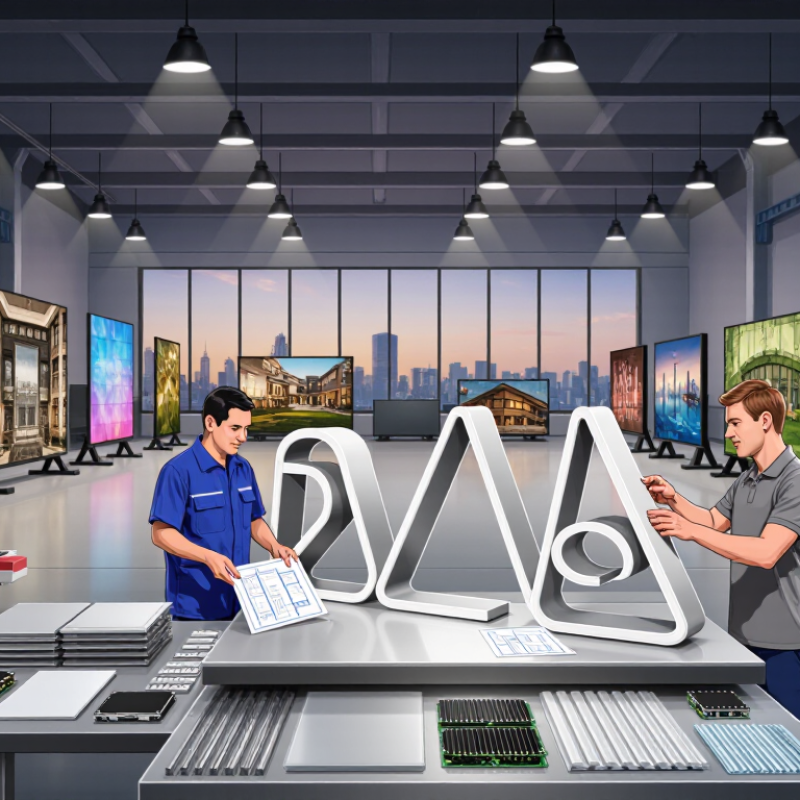
Core fabrication services begin with site measurements and design drawings. Teams then select materials, cut panels, route letters, weld frames, apply finishes, and assemble lighting. A storefront project may need weather-resistant faces, concealed wiring, and careful color matching. A wayfinding system needs consistent sizes and readable sightlines. Details matter. Shops also provide installation, repairs, and replacement parts, extending a sign’s useful life. Quality checks can include fit, finish, illumination, and electrical testing before delivery. The work sounds orderly on paper. In practice, walls vary, measurements get missed, and revisions happen; planning helps, but cannot remove every surprise.
Core Sign Fabrication Services Across the $37B U.S. Sign Industry
Core service categories (not ranked): sign design and engineering, large-format printing, dimensional and channel-letter fabrication, LED illumination, CNC routing, metal fabrication, finishing, and installation.
The $37B figure is the industry-size figure stated in the supplied headline. No service-level market shares are shown because comparable category breakdowns were not provided.
In 2026, effective sign fabrication depends on matching the process to the material and setting. CNC routing shapes acrylic, aluminum composite, and PVC into letters, panels, and clean-edged forms. The cutter, feed rate, and hold-down method all matter. Poor settings can leave chatter marks or melted edges. Even accurate machine work needs a close inspection. Small flaws show.
Laser cutting creates fine details and tight curves in suitable materials, including thin acrylic and wood. Digital printing adds photographs, gradients, and small text to prepared sign surfaces. These methods can work together, but not every project needs all three. Surface preparation and color calibration affect the final result. A digital proof may look convincing, yet appear different under outdoor light. That difference is easy to underestimate.
Tips: Confirm the material, viewing distance, and installation conditions before production. Ask for a physical color sample when color accuracy matters. Check finished edges and printed details before mounting.
| Fabrication service | How it works | Commonly suitable materials | Key strengths | Considerations | Typical sign applications |
|---|---|---|---|---|---|
| CNC routing | A computer-controlled rotating cutting tool removes material from a sheet or panel to create shapes, pockets, and cutouts. | Common options include acrylic, PVC foam board, aluminum composite panel, wood, and some non-ferrous metals, subject to machine and tooling capabilities. | Useful for larger panels, thicker stock, repeatable profiles, and dimensional parts. Can produce routed lettering, shapes, and recessed details. | Tool diameter affects inside corners and fine details. Material, thickness, tooling, and setup influence edge quality and achievable tolerances. | Panel signs, dimensional letters, cutout logos, routed channels, and shaped sign components. |
| Laser cutting and engraving | A focused laser beam cuts or marks material along a programmed path. The appropriate laser type depends on the material and intended operation. | CO₂ lasers are commonly used for acrylic and wood; fiber lasers are commonly used for marking or cutting suitable metals. Compatibility varies by equipment and material. | Can create fine detail, narrow kerfs, and engraved markings. Often suited to small parts and intricate shapes. | Not every material is laser-safe or compatible. Some plastics can release hazardous fumes; material specifications, extraction, and machine guidance must be followed. Heat can affect cut edges. | Engraved plaques, small lettering, acrylic components, decorative details, and suitable metal identification plates. |
| Digital printing | Ink is applied directly to a substrate or printed onto a separate media, such as self-adhesive film, for later application. | Depending on printer and ink system: sign films, paper, banner media, rigid boards, and selected coated or prepared panels. | Reproduces full-colour graphics, photographs, gradients, and variable designs without making a physical printing plate for each design. | Substrate preparation, ink compatibility, curing or drying, and finishing affect results. Outdoor durability depends on the media, ink, exposure, and any protective laminate or coating. | Banners, window graphics, vehicle graphics, event displays, posters, and printed rigid-panel signs. |
| Combination fabrication | Two or more processes are combined—for example, routing a panel, printing its graphics, and adding cut lettering or engraved details. | Material combinations are selected for the sign design, installation conditions, and compatibility between fabrication and finishing steps. | Combines structural shaping with printed or marked graphics, enabling layered designs and varied surface effects. | Requires coordinated artwork, material selection, registration, assembly, and finishing. The production sequence can affect alignment and lead time. | Dimensional storefront signs, branded interior displays, interpretive panels, and multi-layer wayfinding signs. |
Capabilities vary by equipment, material grade, thickness, finishing method, and production setup. Confirm material compatibility and project-specific tolerances with the fabricator before production.
ADA sign fabrication depends on details people can feel and read quickly. Raised characters must stand at least 1/32 inch above the sign surface. Their edges should feel smooth, without sharp burrs or uneven glue lines. Use clear, sans-serif lettering with strong contrast against a matte background. Pair tactile text with correctly placed Braille. Small details matter.
Tips: Measure from the finished floor, not the sign’s lower edge. Keep a sample nearby and check its raised text by touch before approving a production run.
Mount tactile characters within the required 48–60-inch range. Measure from the baseline of the lowest tactile character for the 48-inch minimum, and from the highest character’s baseline for the 60-inch maximum. Confirm the sign’s location and approach with the project drawings; a compliant sign can still be hard to find when installed in the wrong place. Check the mounting surface, too. Tile grout, wall trim, and uneven paint can affect alignment. A ruler catches placement errors, but it cannot confirm tactile quality. Run a fingertip across a sample and inspect the Braille spacing under good light. We sometimes rush this check. That is worth reconsidering.
What Are the Top Sign Fabrication Services in 2026?
For electric signs, strong fabrication starts with safety built into the design. UL 48, the Standard for Electric Signs, sets construction and electrical safety requirements for covered signs. A competent fabricator considers wiring, grounding, enclosures, and component suitability before a cabinet reaches the installation site. Small details matter: a loose connection or poorly sealed joint can create problems after rain, vibration, or years of use. Certification and applicable local requirements should be confirmed for each project; they are not interchangeable.
The broader risk is worth noting. NFPA’s Home Electrical Fires report estimates that U.S. home fires involving electrical failure or malfunction averaged 46,700 annually from 2015 to 2019. That figure is not specific to signs, but it underscores why electrical workmanship deserves attention. Ask fabricators how they document inspections, verify components, and handle changes to approved designs. A paperwork check can still miss a field alteration, so installation quality matters too.
Tips: Request UL 48 certification details where applicable, and confirm the sign’s listing matches its final configuration. Inspect wiring routes, grounding points, and weather seals before installation. Keep records. A clear handoff between fabricator and installer helps catch issues, though it cannot replace qualified inspection.
A complete sign project starts with the site, not the screen. Measure the viewing distance, wall space, sunlight, and available power before choosing a display. A bright digital panel can look washed out beside a south-facing window. Small details matter. A site survey also helps identify access limits, mounting surfaces, and cable routes before fabrication begins.
The design and fabrication team should match materials, dimensions, and finish to the location. For digital displays, confirm screen brightness, content format, ventilation, and service access. For physical signs, review color samples and edge details under the lighting they will actually face. Then test it. Check image clarity, connections, timers, and controls before delivery. Installation requires careful leveling, secure mounting, neat cable management, and coordination with the site contact. Even a solid plan can miss a narrow doorway or an unexpected beam; a final walk-through can catch those problems. Keep installation notes and maintenance instructions accessible, especially when the display needs regular cleaning or software updates.